Mechanical Engineering · Queen's University

Working towards global engineering leadership through capital and innovation.

Skillset
Exposure Capital Markets & Valuation Models Core Engineering Applied AI Implementation
Cool Projects

NAV Model of Canadian Natural Resources Limited

I have always been interested in M&A globally. I built a NAV model of CNRL off the 40-F to understand how the market values the asset base, and started with a company and industry I worked in.

In the workbook
  • 01Cover — results at a glance
  • 02NAV summary — bridge and value per share
  • 03Sensitivities — WTI × WCS grid
  • 04Assumptions & sources
Download model .XLSX
1. Cover page showing CNRL ticker, valuation methodology, and results at a glance: 1P NAV, 2P NAV, market price, and implied long-term WTI
2. NAV summary showing the NAV bridge to net asset value, value-per-share bars, and the key sensitivity drivers
3. Live sensitivity table showing 2P NAV per share across a grid of long-term WTI and WCS differential assumptions
4. Assumptions and sources table documenting reserve volumes, reserve life index, and price deck inputs with citations
Scroll →
Model predictions on satellite imagery of well sites, labelled tank or no_tank
Confusion matrix showing validation performance of the tank detection model
Scroll →

Computer Vision Tank Detector

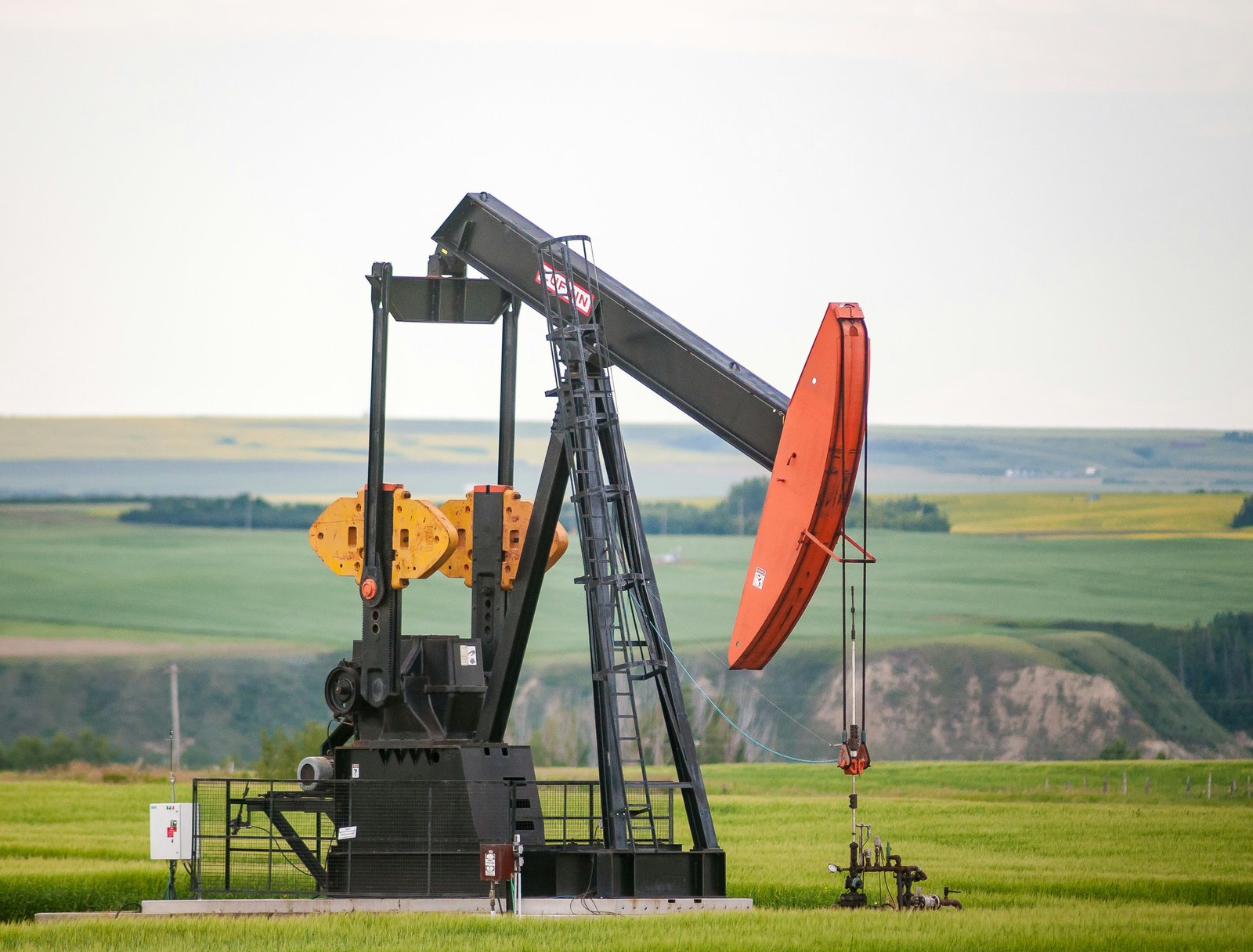
During my time as an intern at CNRL, we faced a bottleneck of having to determine the well site conditions for ~1,000 inactive wells. Most impactfully, whether or not a tank is on-site.

I trained a computer vision model that can detect tanks on our well sites via Google Maps satellite imaging. I then inputted this model into an Accumap → well site longitude/latitude extraction → Google Maps image clipping → vision model pipeline to automatically output the well site tank(s) results in <1 second per site.

~1,000
inactive well sites
in scope
<1s
runtime
per site
2024 aircraft SolidWorks model
2024 aircraft built and ready for flight
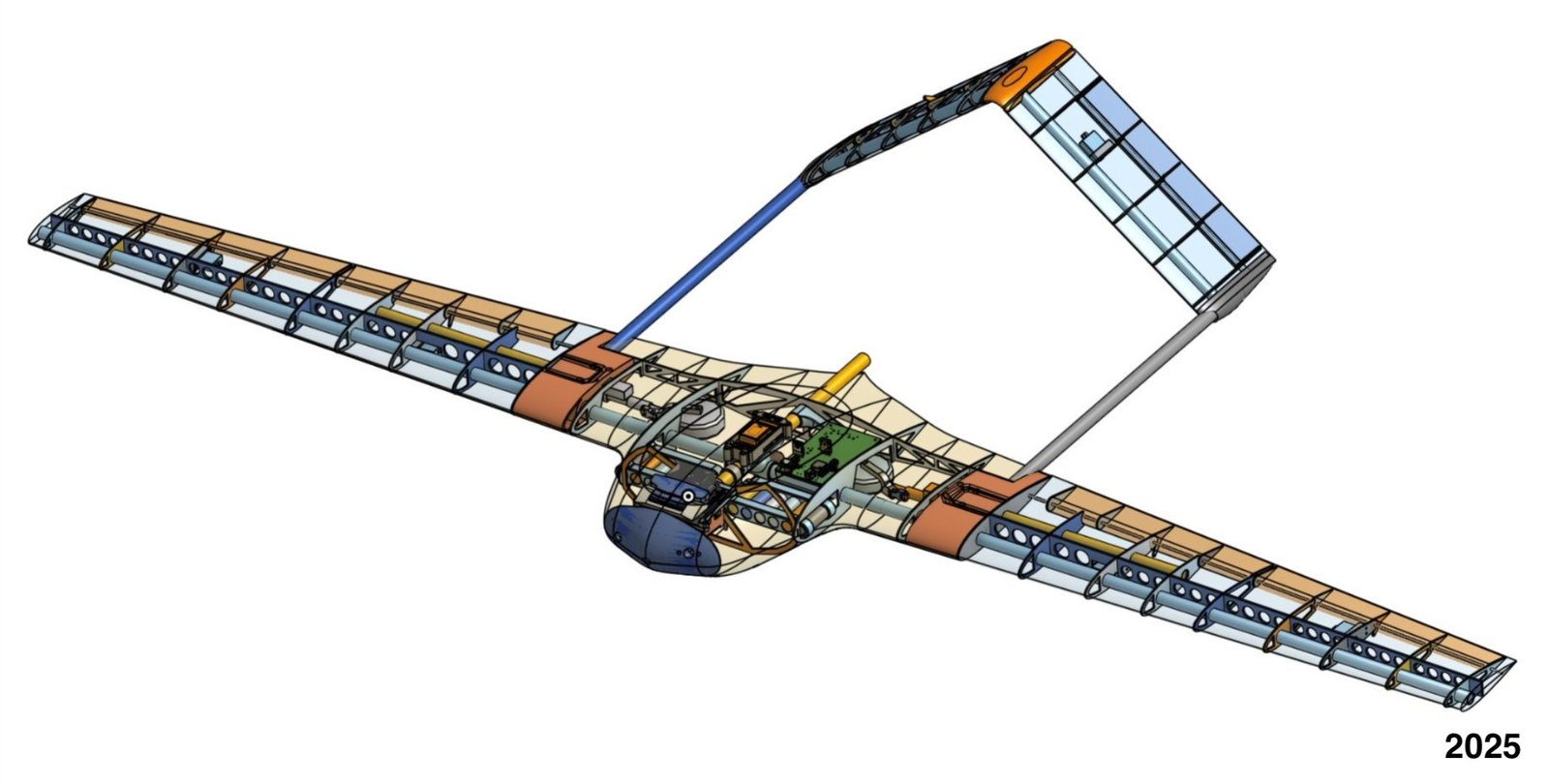
2025 aircraft SolidWorks model, blended-wing configuration
2025 aircraft on runway
Scroll →

Queen's Aerospace UAS Competition Aircraft: Aerodynamics

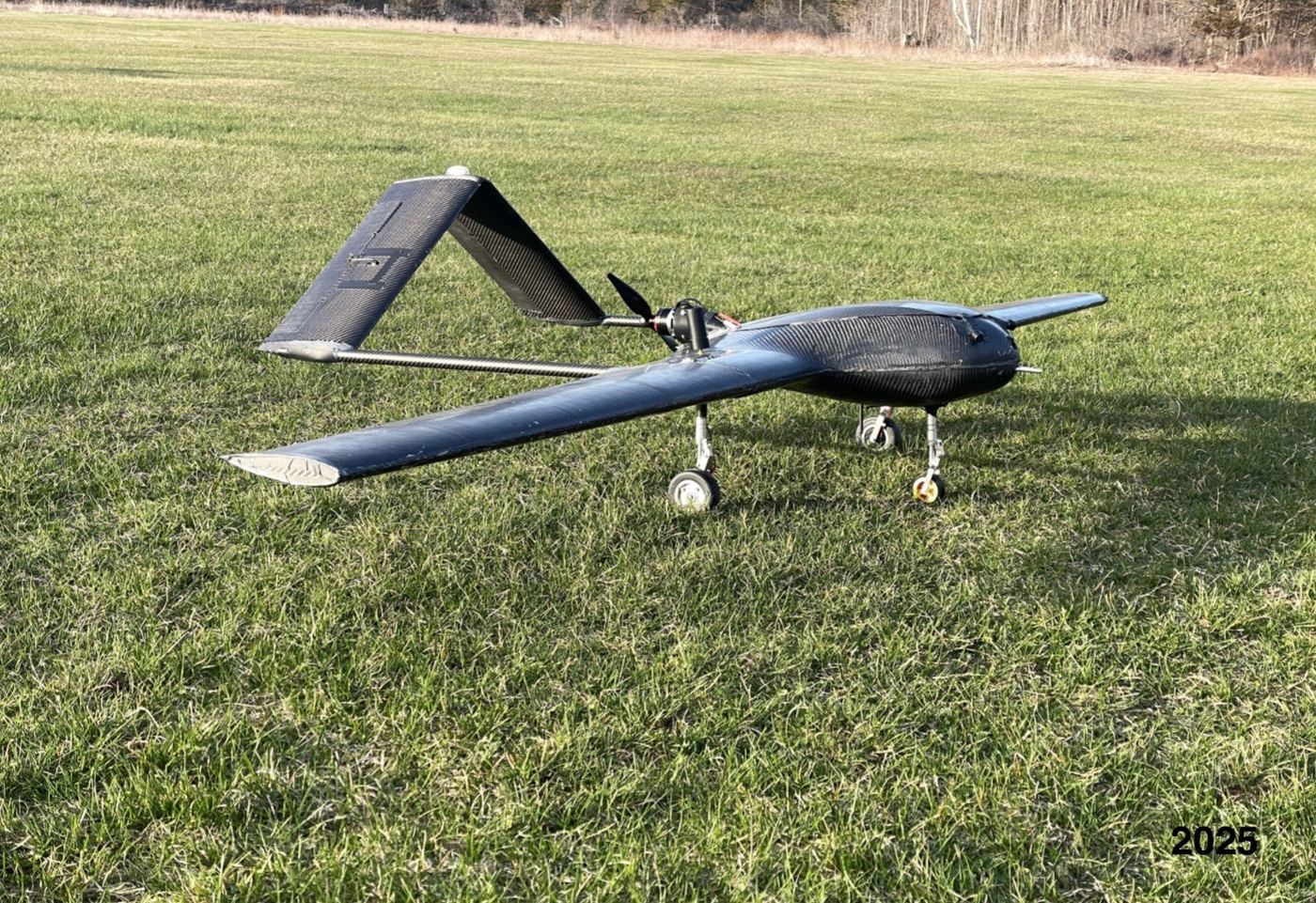
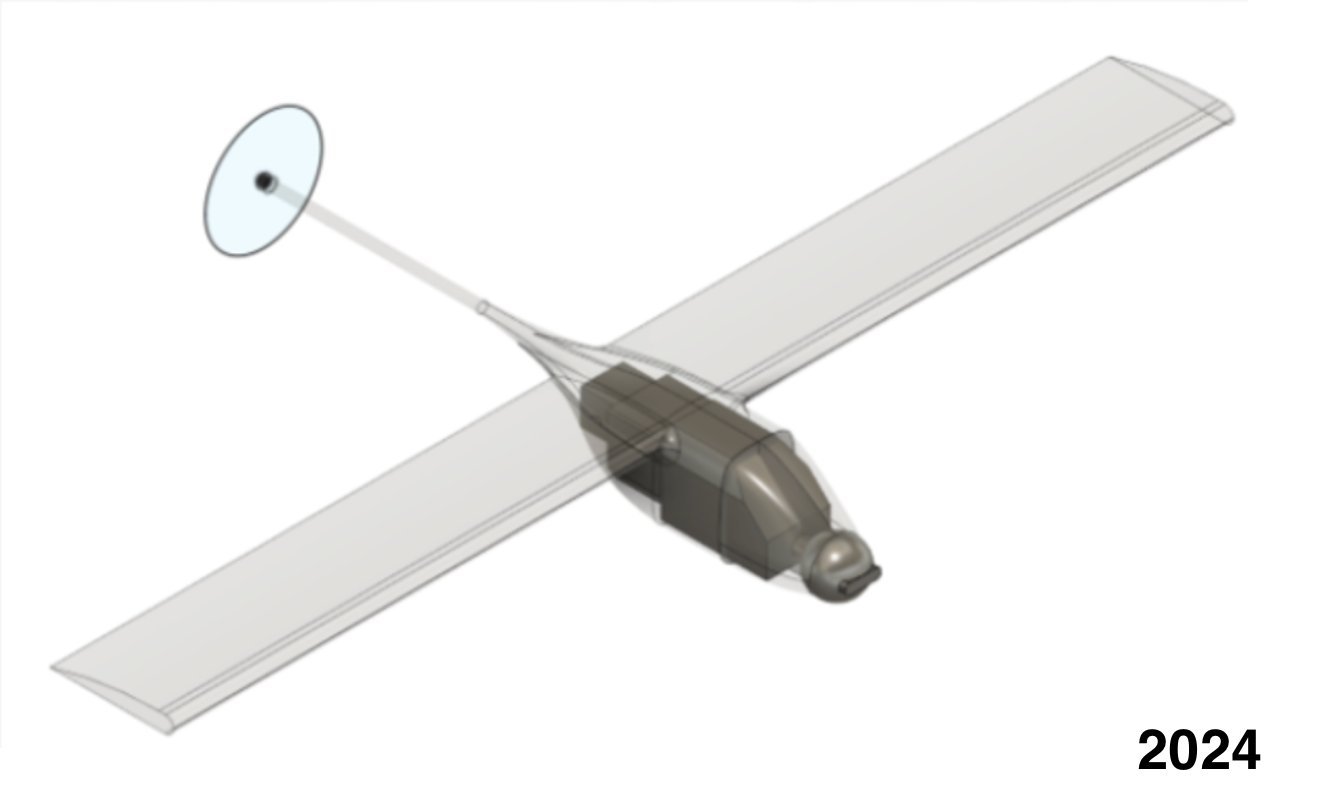
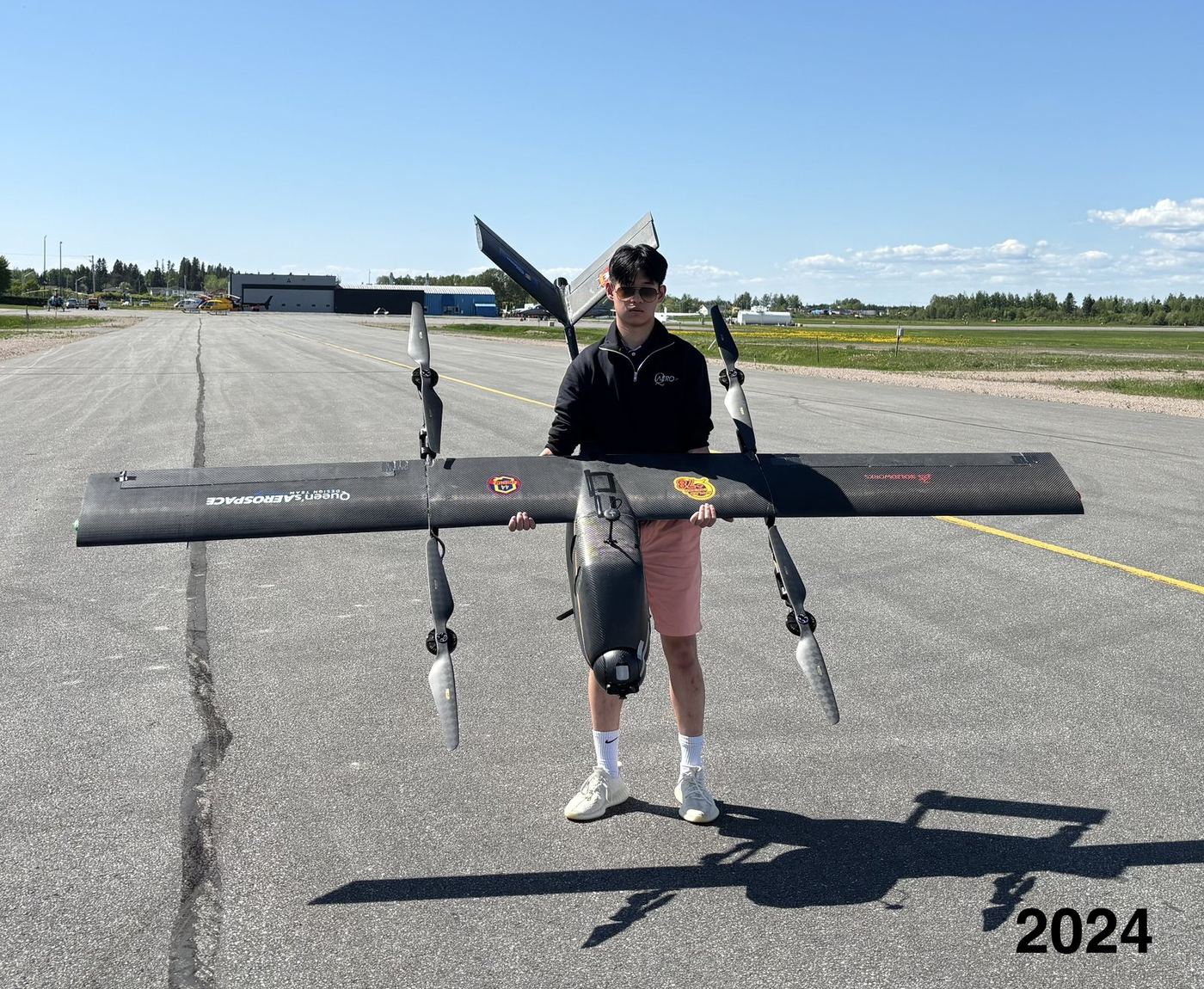
Collaborated with a team of four on the design and optimization of QADT's 2024 competition aircraft. Iterated fuselage geometry in OpenVSP, fed parameters into QAPOT (an in-house Python optimizer) to generate airfoil dimensions, then refined drag coefficients in a feedback loop. Final models moved to SolidWorks for BOM management.

Placed 3rd at the 2024 AEAC national competition. In 2025, implemented a blended-wing configuration that improved stability and doubled power storage capacity.
-7%
drag reduction via
python optimization, 2024
+100%
power storage
capacity, 2025
Personal Investment Research
Self-directed investing

I have always been fascinated in how value is created in companies. To gain exposure, I manage a diversified equity portfolio through a fundamental, thesis-driven investment approach. I follow companies and industries that interest me, research their underlying business fundamentals and current valuation, and assess whether industry dynamics can support future growth. I invest when I believe the potential upside is asymmetric relative to the downside and the position complements the broader portfolio. Since 2022, my portfolio has generated a 31% weighted-average annualized return.

TMT — 23.1% Consumer & Retail — 21.9% Fixed Income — 14.9% Healthcare — 9.7% Diversified Equity ETFs — 8.1% Energy & Natural Resources — 7.9% Digital Assets — 5.3% Industrials & Infrastructure — 4.2% Aerospace & Defense — 3.4% Financials — 1.5% Sectors 10
  • TMT23.1%
  • Consumer & Retail21.9%
  • Fixed Income14.9%
  • Healthcare9.7%
  • Diversified Equity ETFs8.1%
  • Energy & Natural Resources7.9%
  • Digital Assets5.3%
  • Industrials & Infrastructure4.2%
  • Aerospace & Defense3.4%
  • Financials1.5%
Businesses That Pay My Rent At School

E-commerce

On a bored day in first year university, I decided I wanted to learn how to make money through e-commerce.

In May 2024, I launched my first product: a luxury watch-display case, on the basis of (product category monthly revenue / # of major competitors) > ($8,000 per competitor) and personal interest in the product. Supplier packaging failures damaged units in transit and sank reviews. In addition, the effort on premium marketing images did not meet my expectations on demand turnout. I closed the listing in November 2024 with a -$2,000 USD loss.

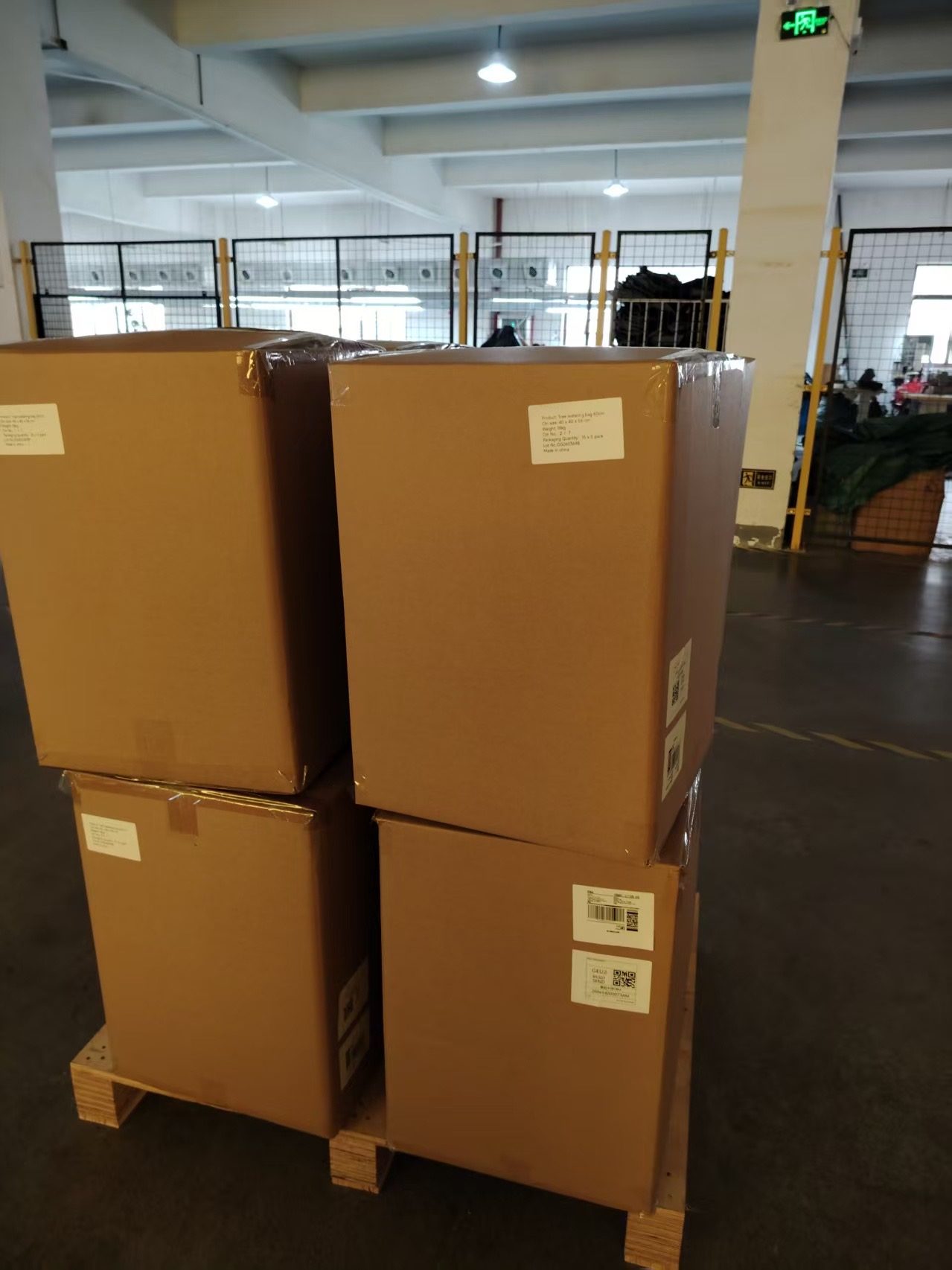
I launched my second product in January 2026: a plant-irrigation mat for dry-heat US markets, on the basis of an untapped market (0 established players) and a necessity for the product vs. self-interest. I paid a premium for warehousing in California and Arizona to position inventory closer to demand. Five months after my first full shipment arrived, I had 550+ units sold and $10K USD revenue at a 43% net margin.

-$2,000
product 1
net loss, 2024
+$5,000
product 2 net profit,
as of August 2026
Luxury watch-display case, first product, launched May 2024
Plant-irrigation mat ad creative, second product, launched January 2026
Plant-irrigation mat installed around a tree in the field
Palletized inventory at the warehouse
Amazon Seller dashboard showing year-to-date product sales after full shipment 1 arrived
Scroll →

Birchcove Industries

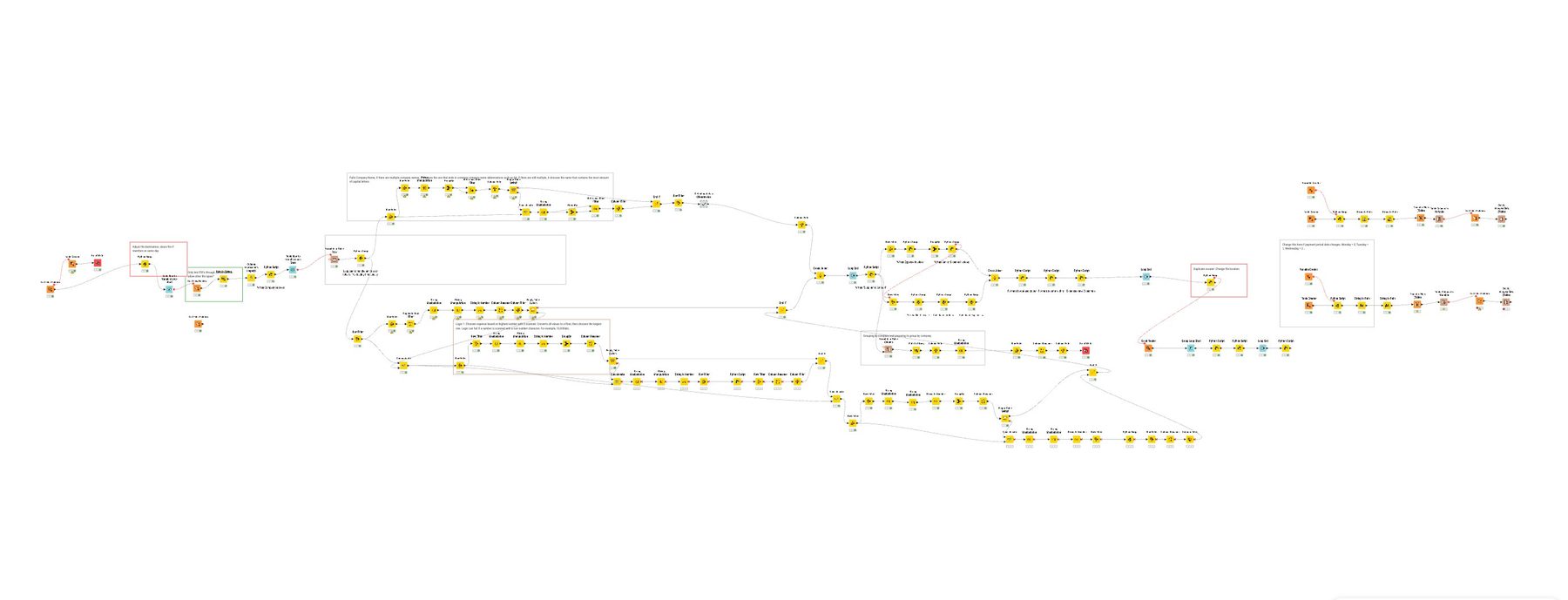
I officially launched Birchcove Industries in May 2026 to help my friends and neighbours implement AI automation into their business operations.

A popular workflow I built was automating profit reporting via automatic invoice processing. This allowed a monthly profit report to be generated from email invoices sent and received.

Birchcove Industries logo
KNIME automation workflow for invoice-based profit reporting
Scroll →